-1.png)
Summer Doesn't Have to feel Overwhelming: 5 Tips for Moms

Summer break is here, and if you're anything like me, you may already be wondering how you're going to keep your school-aged kids entertained, fed, active, and off screens all day long—without completely losing your mind in the process. The structure of the school year disappears overnight, and suddenly you're hearing "Mom, I'm bored..." before you've even finished your coffee. Sound familiar?
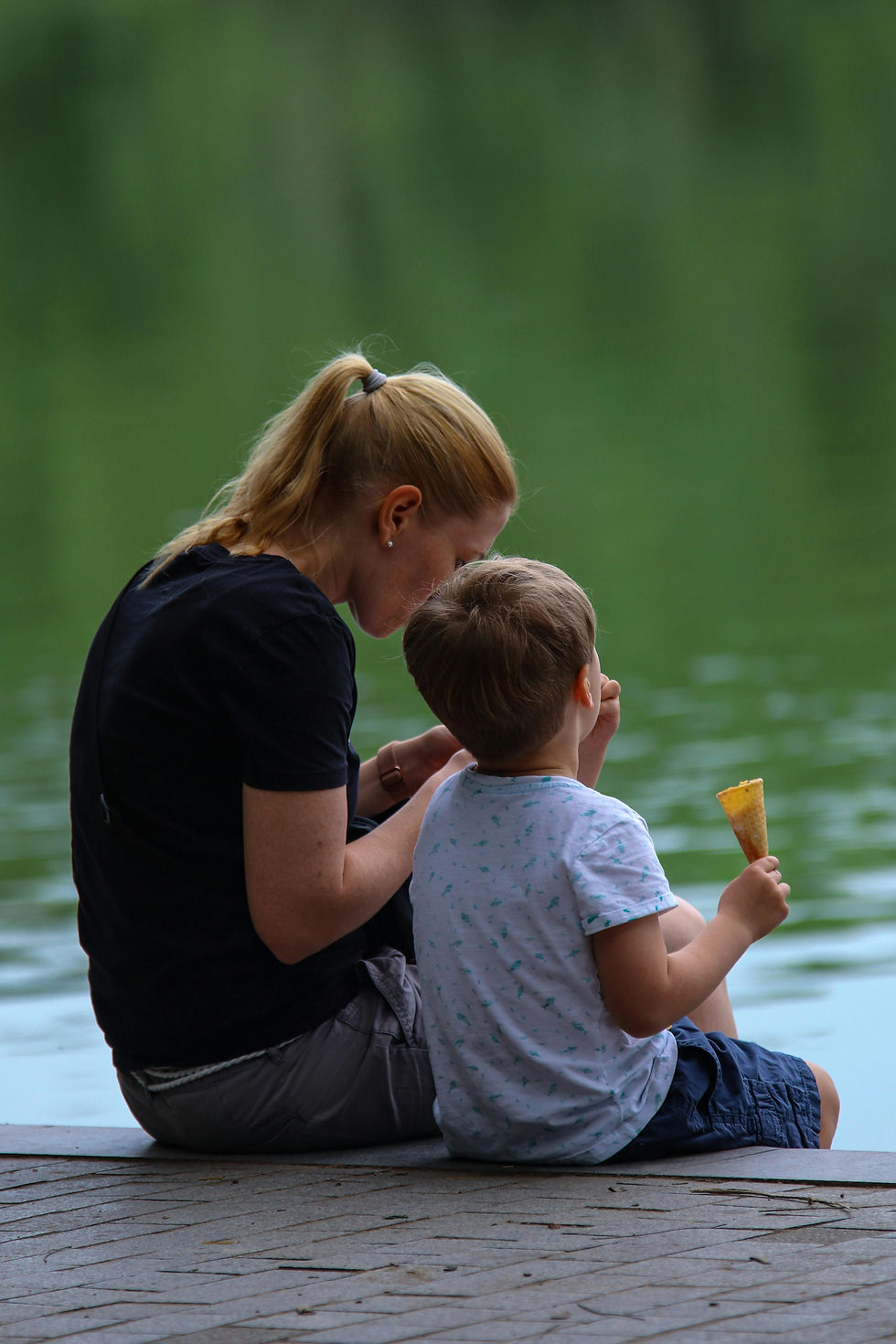
As a therapist and a mom, I know the mental load of motherhood doesn't magically take a vacation just because school is out. In fact, summer can bring its own challenges: juggling personal to do's or work, managing schedules, planning activities, and trying to enjoy the season while avoiding motherhood burnout. Some days feel magical, and others feel like you're counting down the hours until bedtime.
I definitely don't have all the answers, but I've learned that a little planning, flexible routines, and lowering my expectations can go a long way. Summer with kids doesn't have to be perfectly organized to be meaningful. Sometimes the goal isn't creating a picture-perfect summer—it's finding small ways to stay present, reduce stress, and enjoy the moments in between the chaos.
Below are five summer survival tips for moms that have helped me stay grounded, plan ahead, and make the long days with school-aged kids feel a little more manageable.
Try to stay Present and Enjoy the Moment
It’s easy to get caught up in the chaos of summer days. Kids want you to watch their latest trick, the dishwasher needs to be unloaded, and you need to schedule an appointment. The key is to slow down, trust that everything will get done and be in the moment of the day.
Try this: when your child asks for something, whether it be another snack, a playdate or a hug, pause and really listen. This small act shows them they matter (more than the to-do list on your mind) and helps you feel less overwhelmed and irritated by the constant questioning all day. You can also practice simple mindfulness with your kids. For example, take a few deep breaths together before starting a new activity. Or notice the sounds outside, the feel of the sun, or the taste of a cold treat. These little moments help everyone feel calmer and more connected.
Plan Ahead to Avoid the “What Now?” Moments
One of the biggest challenges of summer is the endless question: “What do I do now?” Kids thrive on routine, even in summer. Having a loose plan for the day can save you from hearing that question every five minutes. And for me, it helps me stay somewhat grounded in the day's plan rather than ping ponging from one task to another.
Try creating a simple daily rhythm with your kids. Include time for outdoor play, reading, chores and some form of quiet time. Even with older kids, I've found it can be a lifesaver to have a designated time each day when everyone heads to their own space for a little alone time. Being together all day, everyday is a lot—for both kids and parents. We all need opportunities to recharge, reset, and simply be by ourselves for a while. The goal isn't to create a rigid schedule, but to provide some structure. Having a loose plan helps kids know what to expect and gives you a roadmap for the day, which can make those long summer hours feel a little more manageable.
For example, mornings could be for outdoor play, late afternoons for reading or screen time, and evenings for family games or a walk. When kids see the plan, they feel more secure and less likely to act out.

Even a loose plan for the day can help kids feel secure and reduce the “What now?” questions.
Make Small Adjustments to Your Routine
Summer days can feel long, and sometimes the smallest adjustments make the biggest difference. Building in some down time for yourself is key, whether it be first thing in the morning or later before dinner when you've had enough. If your mornings seem to disappear before you've had a chance to think, consider setting your alarm just 15 minutes earlier. Those few quiet minutes to enjoy a cup of coffee, sit in silence or tackle a couple of items on your to-do list can help you start the day feeling a little more peaceful and a little less rushed.
The goal is simply to look for small opportunities that make your days feel more manageable and give you a chance to recharge before the demands of the day take over.
Another idea is to create a bin or space in a closet with easy activities ready to go. This could include cheap craft bags from Hobby Lobby, playdoh, puzzles, or a small box of items that the kids haven't seen or been interested in in a while. Chances are, if their bored enough, they will be easily distracted by these types of items.
Be Flexible and Try Micro-Routines
Summer doesn't have to follow the same structure as the school year. In fact, trying to maintain your usual routine can leave everyone feeling frustrated. Instead focus on creating a few simple "anchor points" that help the day flow more smoothly.
For example, while I'm making dinner, the kids are expected knock out quick math practice or art activity at the table. It's not a strict rule, but it's a predictable part of our day that keeps everyone occupied, productive and gives me a chance to cook without constant interruptions.
These small routines don't have to happen at a specific time every day. The goal is simply to build a few predictable moments into your day while staying flexible enough to adjust when plans change. I've found that these little anchors create a sense of stability for kids and help me feel more calm and grounded when I'm on my last ounce of energy.

Simple routines and creative activities help kids feel secure and engaged.
Don't Try to do Summer Alone
Some days will be harder than others. The kids will argue, someone will be bored five minutes after an activity you've spent an hour planning, and there will be moments when your patience feels completely tapped out. That's not a sign you're failing, it's part of parenting.
One thing is for sure summer feels a lot lighter when you have people to lean on. If you already have a village, use it. Reach out to family members, neighbors, or other parents and trade playdates or simply check in with each other. A quick phone call with a friend while the kids are occupied is always good for the soul.
And if you don't have a village right now, consider this your reminder that it's okay to build one. Invite another mom for a park day. Introduce yourself to that neighbor with kids you've been noticing more. Text the parent of your child's friend. Join a local moms group or community circle. Meaningful support often starts with small steps outside of your comfort zone. Motherhood was never meant to be done in isolation.

Last, If you're finding that the stress, overwhelm, or loneliness of motherhood is becoming difficult to manage, therapy can also be a valuable source of support. Whether you're navigating motherhood burnout, marriage strain, grief, or unresolved trauma, having a dedicated space to process your experiences can help you feel more grounded, supported, and connected to yourself again.
Final Thoughts on Surviving Summer at Home
Summer with kids at home can be a wild ride. But with a little planning, staying present, and making small changes, you can turn it into a time of joy and connection.
Remember to:
Be present with your kids
Plan ahead
Adjust your routine
Be flexible
Take care of yourself and ask for support when needed
You’ve got this. Summer is a chance to slow down, laugh, and make memories that last long after the school bell rings again.
If you want to explore more ways to support your well-being and family life, check out Resilient Bloom Therapy. They’re here to help you feel like yourself again and thrive.


Comments