-1.png)
Navigating Grief in Motherhood: A Journey of Healing

Updated: Sep 20
I lost my brother at the tender age of 12. Honestly, I am surprised by how deeply this loss continues to touch my life, my children’s lives, and my role as a mother in ways I never could have imagined. My girls never had the chance to meet my brother. Yet, as they’ve grown older, his absence has found its way into our lives at random moments. My eldest daughter frequently dreams of him and other lost loved ones. These dreams spark conversations about what they were like.
The anniversary of my brother’s death, which we now call his "Angel Wing Day," and his birthday are annual occasions for us. We talk about his life, share stories, and look at photos. My girls’ innocent wonderings—“What do you think he’d be like now?” or “Do you think he’d have kids if he were still alive?”—still surprise me. They leave me pondering how to respond.
I continue to realize that loss doesn’t only live in our memories; it becomes part of the stories we pass down. It is woven into both motherhood and the way our children come to understand family, love, and grief.
The Ripple Effect of Grief
As mothers, we often push forward. Kids need to get to bed or move on with their day, even if we have to pause to feel the grief and reflect on the loss. Grief doesn’t stay neatly contained in one past chapter of our lives. It ripples through motherhood, shaping how we raise our kids. It even influences how future generations understand love, resilience, and connection.
Loss doesn’t just affect us in the present; it shapes the future of our families. The way we process grief influences how our children learn to navigate their own struggles. If we hide our feelings, our kids may believe emotions should be buried. If we share stories, memories, and moments of reflection, they learn that grief is a part of love. Remembering is a way of keeping connections alive.
For this, I am happy, grateful, and honored to answer any new or repeated questions, thoughts, or wonderings they have about lost loved ones they have (or haven’t) met. I know I am doing important work by paving the way for them to experience loss as an inevitable part of life.
In this way, grief becomes more than sorrow. It becomes a legacy of resilience, teaching children that even when someone is gone, their love remains in the stories we tell, the traditions we keep, and the love we nurture.
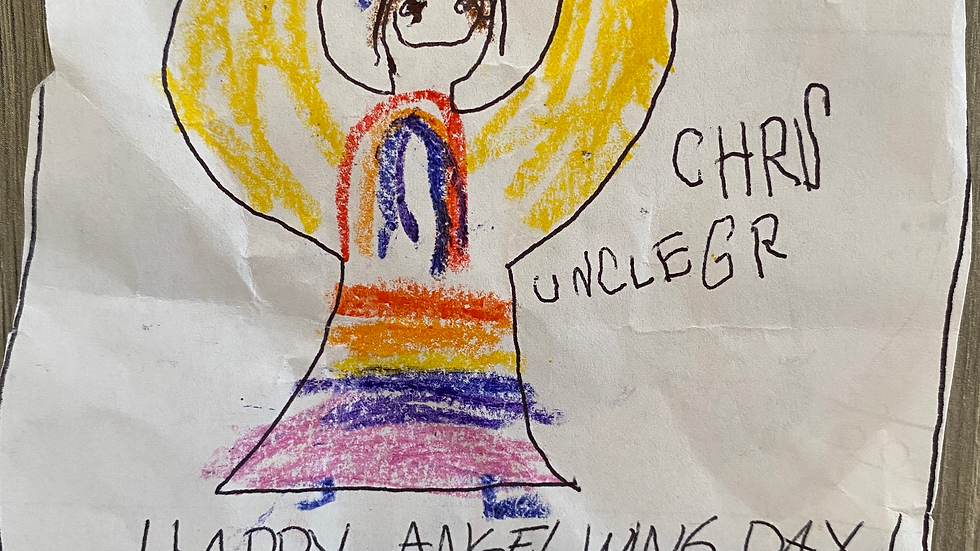
Honoring Loved Ones Through Story
One of the most healing practices for both mothers and children is to share memories of those we’ve lost. Looking through old albums, snuggling in their hand-knitted blanket, or cooking a favorite recipe that’s been passed down keeps their presence alive. Whenever we are in the car and I hear Metallica or Smashing Pumpkins on the radio, I always share with the girls that it was their uncle’s favorite music.
These moments are not just soul-soothing for us; they give our kids a sense of belonging. They ground them in the history of the family they are part of. Grief and loss in motherhood remind us that love extends beyond a lifetime. While the pain of losing someone never fully disappears, we can transform it into a bridge between generations.
By speaking their name, sharing their story, and weaving their memory into our children’s lives, we honor them. We teach our kids that love and connection never end.
Creating New Traditions
As we navigate our grief, it’s essential to create new traditions that honor our loved ones. These rituals can be simple yet meaningful. For instance, we might light a candle on special days, write letters to our loved ones, or even plant a tree in their memory. Each act is a way to keep their spirit alive in our hearts and homes.
Consider starting a family scrapbook. Fill it with pictures, letters, and stories about your loved one. This can be a beautiful way to involve your children in the process. They can contribute their thoughts and memories, creating a tangible connection to the past.
Embracing the Journey of Healing
Healing is not a linear process. It ebbs and flows, much like the tides. Some days will be easier than others. It’s okay to feel overwhelmed. It’s okay to cry. Embracing these emotions is part of the journey. Remember, you are not alone in this.
If you or someone you know is struggling with grief and loss while raising kids, you don’t have to walk through it alone. Virtual therapy offers a supportive space to process emotions, honor loved ones, and find healing while balancing the daily demands of motherhood.
In the end, we are all doing our best. We are learning, growing, and finding ways to carry our loved ones with us. Together, we can navigate this journey of motherhood and loss, creating a legacy of love for our children.
Written by Carly Murillo, LCSW
Resilient Bloom Therapy
Reviewed September, 2026


Comments